
From Student to Instructor: Steps to Launching Your Pilates Career Successfully
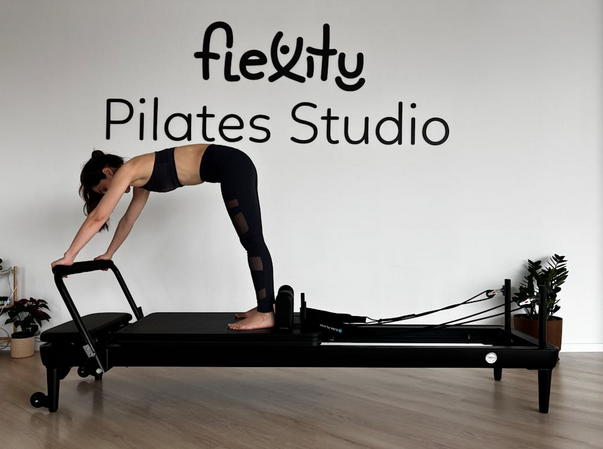
Transitioning from a Pilates student to a certified instructor is an exciting journey. It requires dedication, training, and a clear understanding of the profession. Enrolling in a pilates diploma course provides the comprehensive education needed to teach confidently. The fitness industry values skilled instructors who can guide clients safely and effectively. A structured approach ensures a smoother path to a successful career. This article explores the essential steps to take, from completing training to building your brand as a Pilates professional.
Choosing the Right Pilates Instructor Course
The first step is selecting a reputable Pilates instructor course. Look for programs that are accredited and offer comprehensive training in anatomy, teaching techniques, and equipment use. The course should cover both mat and reformer Pilates, if possible. Completing a solid program builds confidence and ensures you have the knowledge to teach effectively. It also lays the foundation for future specialization. A strong start helps you develop the skills needed for a professional career.
Obtaining Certification
Certification validates your training and qualifies you to teach professionally. Most accredited programs require passing both written and practical exams. Certification demonstrates competence to potential employers and clients. It also provides credibility in a competitive market. Keep your credentials updated and pursue continuing education opportunities. This commitment shows clients that you take your profession seriously and helps you grow over time.
Mastering Pilates Techniques as a Student
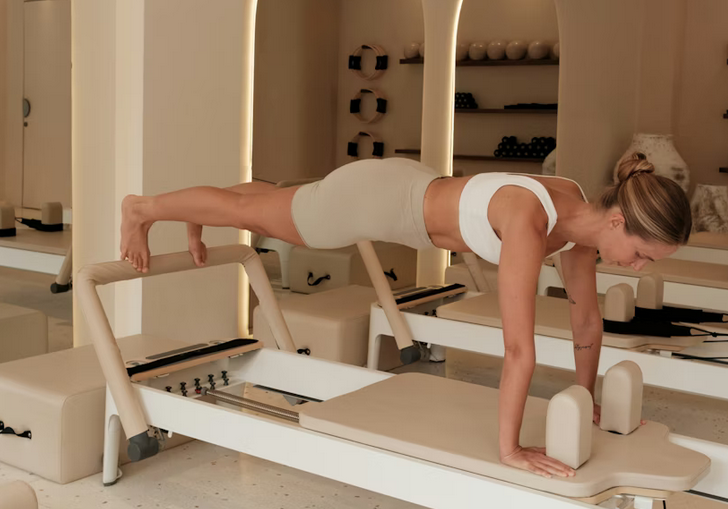
Before teaching, it’s important to master Pilates techniques yourself. Attend classes regularly and focus on understanding form, posture, and alignment. Pay attention to how instructors cue movements and correct clients. Practice consistently to internalize techniques. The more proficient you are, the better you can teach. This step gives you a unique perspective on the student experience, which helps when guiding others.
Gaining Practical Teaching Experience
Experience is critical for developing teaching skills. Begin with supervised teaching sessions, internships, or assisting in classes. This exposure helps you learn class management, pacing, and how to address diverse client needs. Real-world practice allows you to refine your communication and correction techniques. Teaching small groups or private sessions builds confidence gradually. Experience ensures that you are prepared to handle various challenges as a professional instructor.
Developing Your Personal Teaching Style
Every instructor develops a style that reflects their strengths and personality. Experiment with different cueing methods and class structures to find what resonates with clients. Consider your tone, energy, and approach to corrections. A distinctive style makes you memorable and encourages client retention. Personal style also contributes to your professional brand. It sets you apart in a crowded fitness industry and helps you connect with clients on a deeper level.
Building a Professional Network
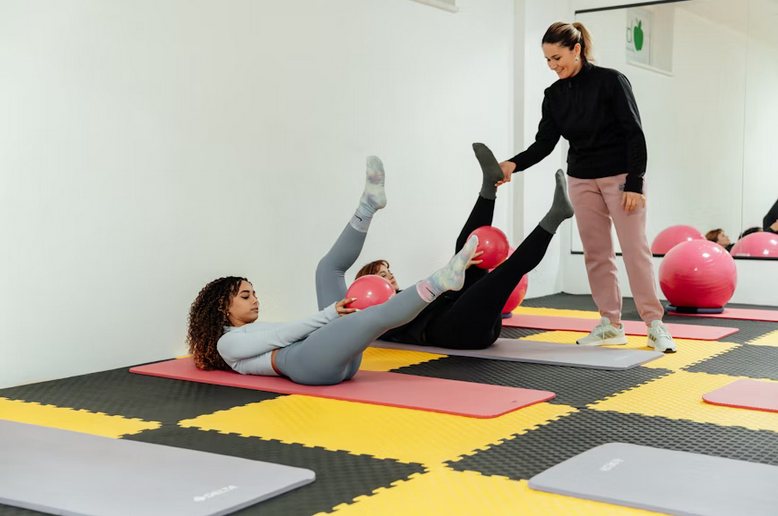
Networking is key to career growth. Connect with fellow instructors, studio owners, and fitness professionals. Attend workshops, seminars, and Pilates events. Collaboration often leads to job opportunities, mentorship, and partnerships. Networking also keeps you informed about industry trends and best practices. A strong network provides support and opens doors for new clients or teaching positions. Relationships can be just as valuable as skills when advancing your career.
Marketing Yourself as an Instructor
Effective marketing helps you attract clients and opportunities. Create a professional online presence through a website or social media profiles. Showcase your certifications, teaching style, and client testimonials. Offer trial classes or online content to reach a broader audience. Marketing communicates your value and builds trust with potential clients. Consistency and authenticity are important. A clear approach ensures that your reputation grows alongside your skills.
Pilates is an evolving field. Continued education keeps your knowledge current and allows you to expand your offerings. Consider specialized certifications in areas like pre- and postnatal Pilates, rehabilitation, or athletic performance. These skills increase your versatility and earning potential. Career growth may also include opening your own studio or developing digital programs. The key is a commitment to ongoing learning and adapting to new techniques. This mindset ensures a sustainable and rewarding career.…

 The first trait of a good leader in managing crises is the ability to make decisions quickly. In a crisis situation, there is no time to waver or second-guess oneself. The decisions that need to be made are usually time-sensitive and require quick action. Leaders who can make decisions rapidly are more likely to manage a crisis successfully. One of the reasons why rapid decision-making is so important during a crisis is that it allows the leader to take control of the situation. There is usually a lot of confusion and chaos when a crisis occurs. Leaders who can quickly make decisions can take charge and provide direction to their team.
 In addition, leaders who are good at managing crises know how to engage with their teams and get the best out of them. They can motivate and inspire their team to work together towards a common goal. Leaders who are good at managing crises also know how to delegate tasks and responsibilities. They can assign tasks based on each individual’s strengths and abilities. This allows the team to work together efficiently and effectively.