
Top Reasons Why Libraries Are Still Relevant in the Digital Age
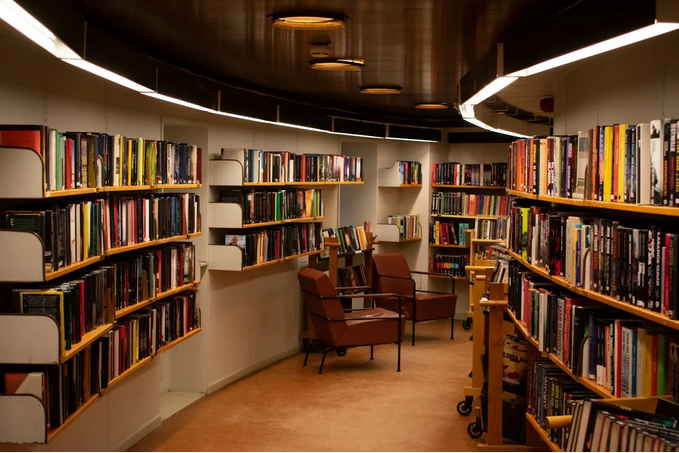
In an era where information is just a click away, and e-books dominate the reading landscape, one might wonder: Are libraries still necessary? The answer is a resounding yes! Libraries are not only repositories of books; they are vibrant community hubs that adapt to the changing needs of society. They offer valuable resources, foster lifelong learning, and provide access to information that can be life-changing. As we embrace the digital age, libraries play an essential role in our communities, enriching lives and supporting education. In this article, we’ll explore the top five reasons libraries remain relevant, proving that these beloved institutions are far from obsolete.
Access to Information for All
One of the most critical roles of libraries is providing access to information, regardless of socioeconomic status. While the internet offers vast resources, not everyone has same access to technology or reliable internet connections. Libraries bridge this gap by providing free access to computers, Wi-Fi, and a plethora of online databases. Patrons can explore a world of knowledge, from academic research to job training resources, without spending a dime. This democratization of information is vital in promoting equity and ensuring that everyone can learn and grow.
Community Engagement and Support
Libraries have evolved into essential community centers that bring people together. They host various events and programs, such as author readings, workshops, and cultural celebrations. These activities foster a sense of community, encouraging social interaction and collaboration among diverse people. Libraries also provide vital support services, such as job search assistance, literacy programs, and resources for small businesses. In an increasingly digital world, the human connection libraries offer is irreplaceable, making them invaluable resources for community engagement.
Lifelong Learning Opportunities

Education continues after formal schooling; lifelong learning is crucial for personal and professional growth. Libraries offer a wider range of resources and programs to support this continuous journey. From classes on coding and financial literacy to language learning and crafting, libraries cater to diverse interests and skill levels. They also offer access to online learning platforms and educational materials, enabling individuals to enhance their knowledge at their own pace. By promoting lifelong learning, libraries empower people to adapt to changing job markets and pursue new passions.
Preservation of Culture and History
Libraries play a vital role in preserving communities’ cultural and historical heritage. They house special collections, archives, and local history resources that document the unique stories of the past. This preservation ensures that future generations can access their roots and learn from their history. Libraries also promote cultural literacy by offering programs that celebrate local artists, authors, and traditions, helping to keep cultural practices alive in a rapidly changing world.
Expert Assistance and Personalized Support
Finding the right resources can be daunting in a sea of information. Librarians are skilled professionals who can help patrons navigate this vast ocean of knowledge. They offer personalized assistance, whether helping someone research a complex topic or recommending the perfect book for a specific interest. This expertise is invaluable, particularly for students and researchers who benefit from tailored guidance. Accessing knowledgeable staff adds a personal touch that digital platforms simply cannot replicate.
Despite the rise of digital media, libraries thrive as essential institutions that enrich our communities and support lifelong learning. They provide equitable access to information, foster community engagement, preserve cultural heritage, and offer expert assistance—all vital components of a healthy society. As we move into the digital age, libraries remain steadfast in their mission to serve, adapt, and inspire. So the next time you pass by your local library, remember: it’s not just a place for books; it’s a cornerstone of community and knowledge, proving that they are more relevant than ever!…
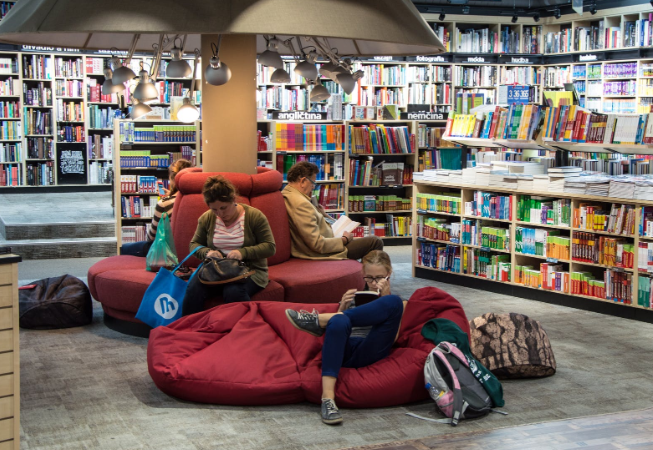
 Yes, we do have schools that people go to get educated, but libraries equally play a significant role in ensuring that people get the best education. It is very important for kids to have a library to go to, especially out of school. It helps people realize the importance of education and acts as an important symbol of learning for everyone.
 One thing that libraries are good for is improving and encouraging creativity, especially in the arts sector. A good library should provide space for local artist and wannabe’s to showcase their talent.